Vinyl:
Community Beyond the Algorithm
A record bin is one of the last places in American life where nothing is personalized for you. That's why people keep coming back.
Hitting the sweet spots of emotion, memory and recognition, the constant sonic warmth of a record as it spins on the platter have allowed vinyl to become more than a music medium.
They've become catalysts for human connection across generations and strangers alike.
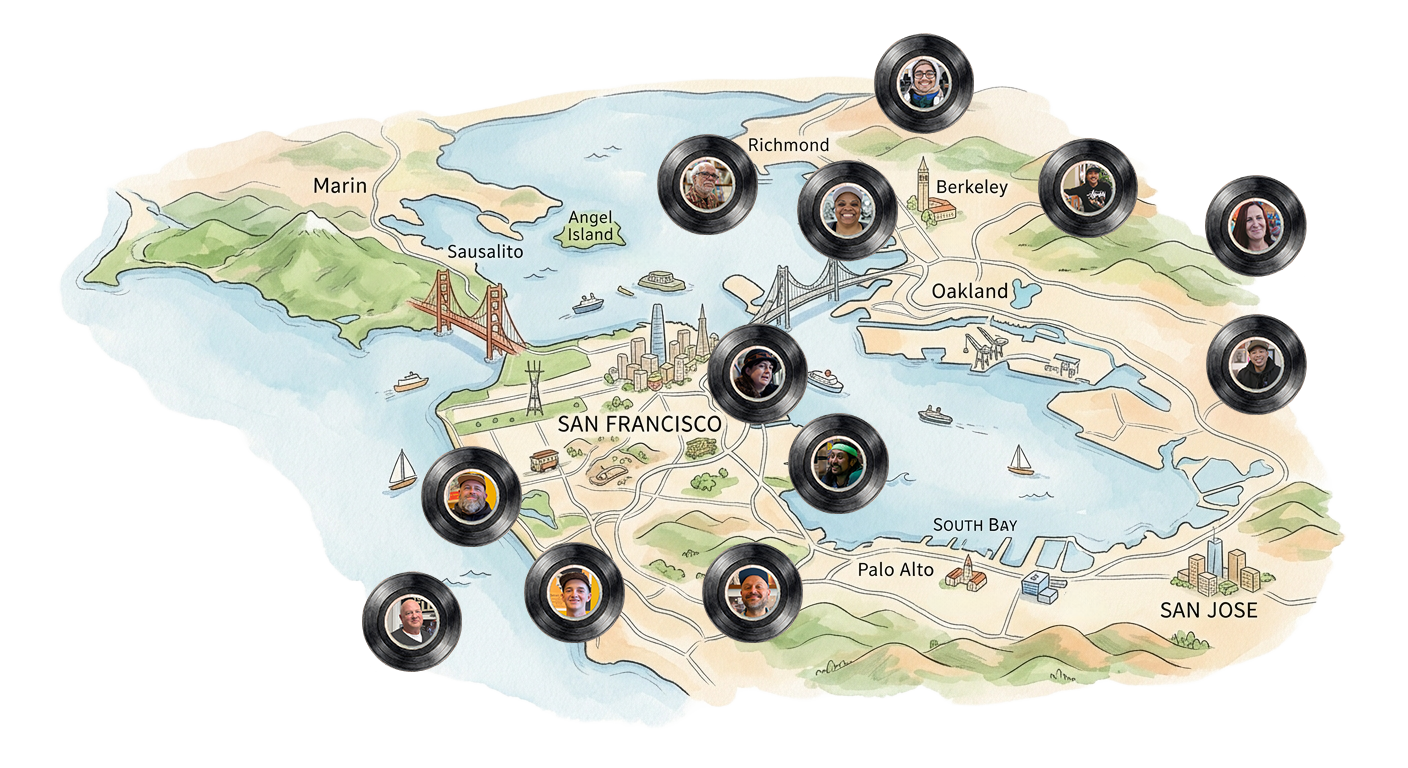
Across conversations with shop owners, DJs, producers, vendors, and collectors throughout the Bay Area, a handful of threads kept surfacing.
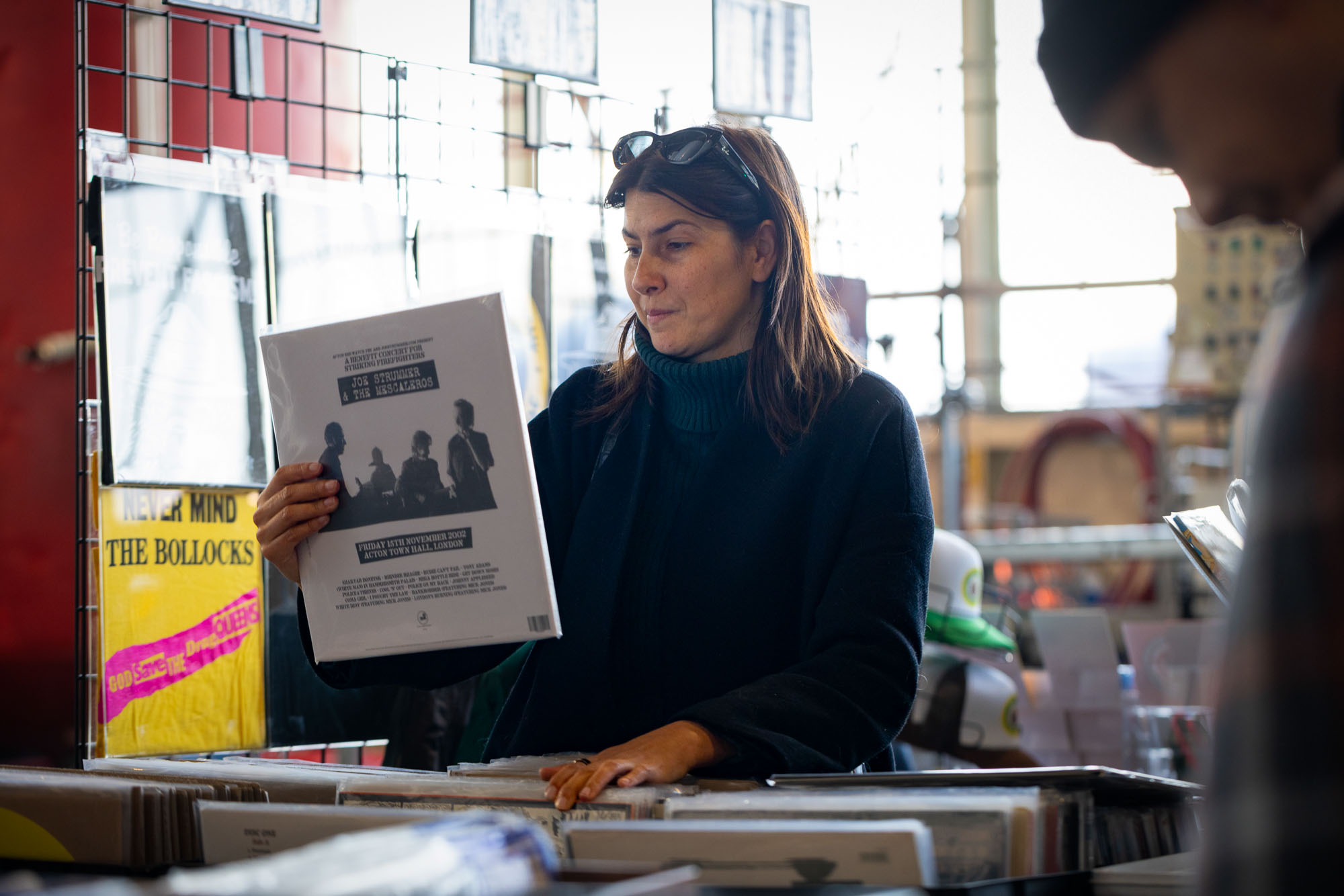
Records are inherited. Passed down from parents, recovered from aunts, bought back from estate sales, carrying the fingerprints of people who loved them first.
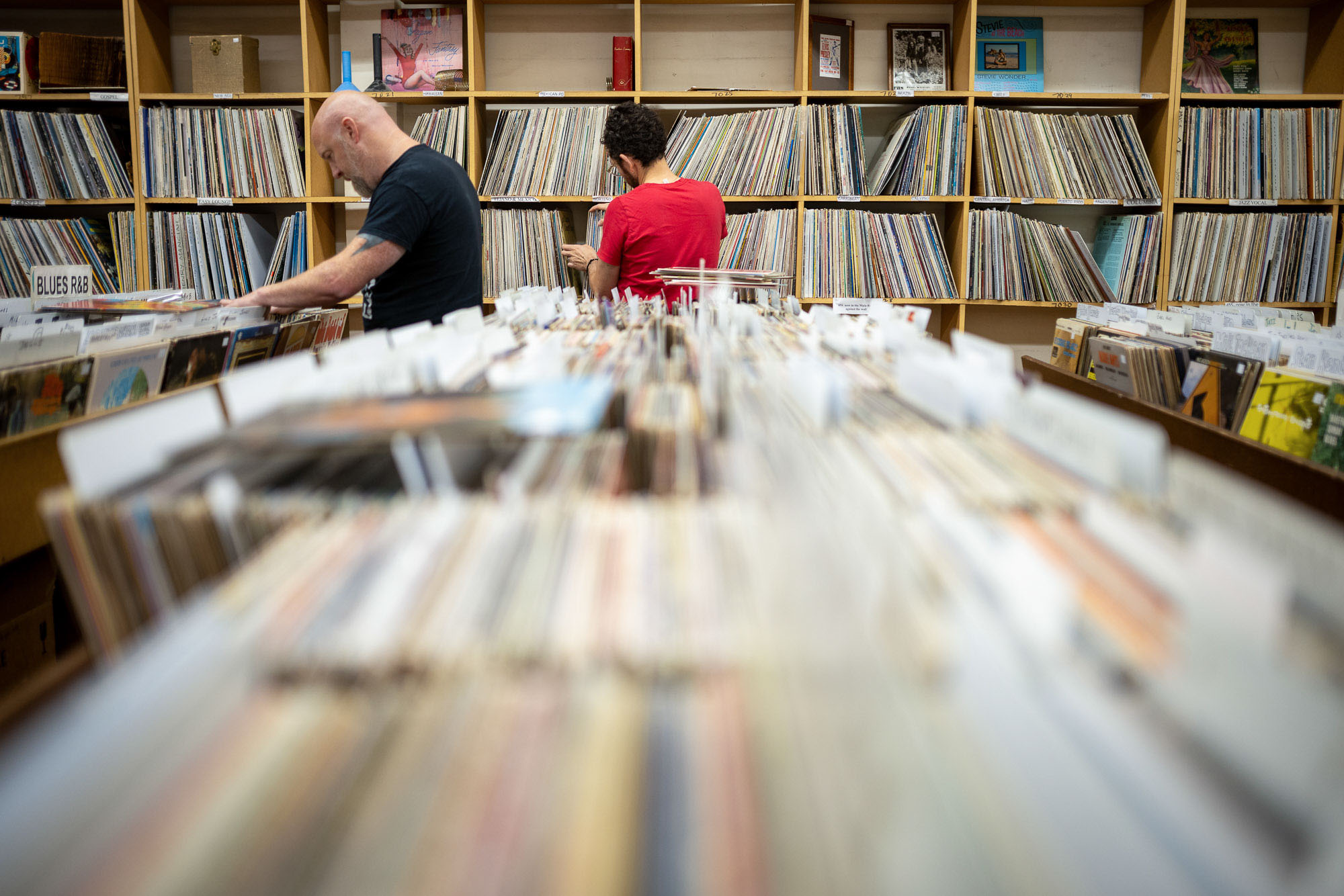
"You just realize, by checking out what the specific music that turned them on and made them happy or made them cry, or whatever made them dance. You just know that that it was a part of them."— John McCord
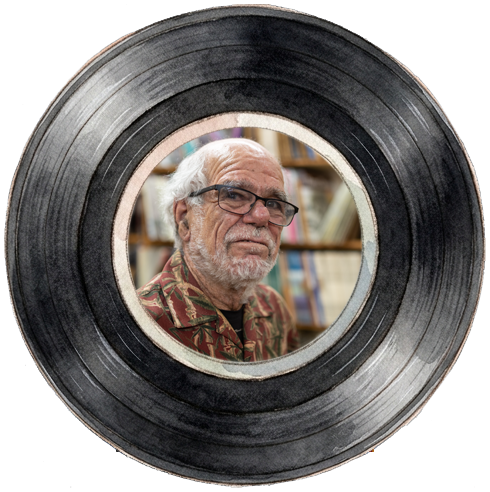
"It's almost like a family heirloom... I hope one day I can just pass these down to my daughters."— Gabriel Dela Cruz
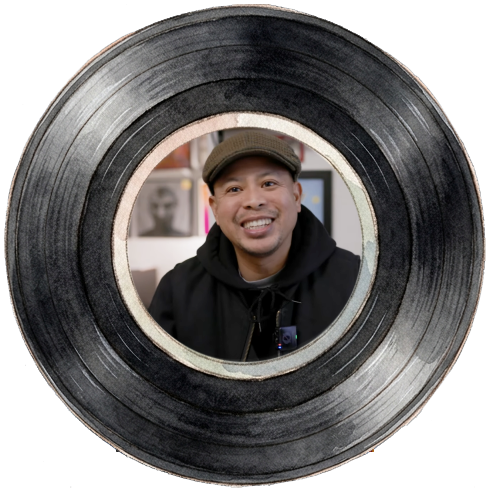
"I wish I could say I inherited music from, like, family, but I haven't... I want to be that person that passes down records."— Leo Rivera
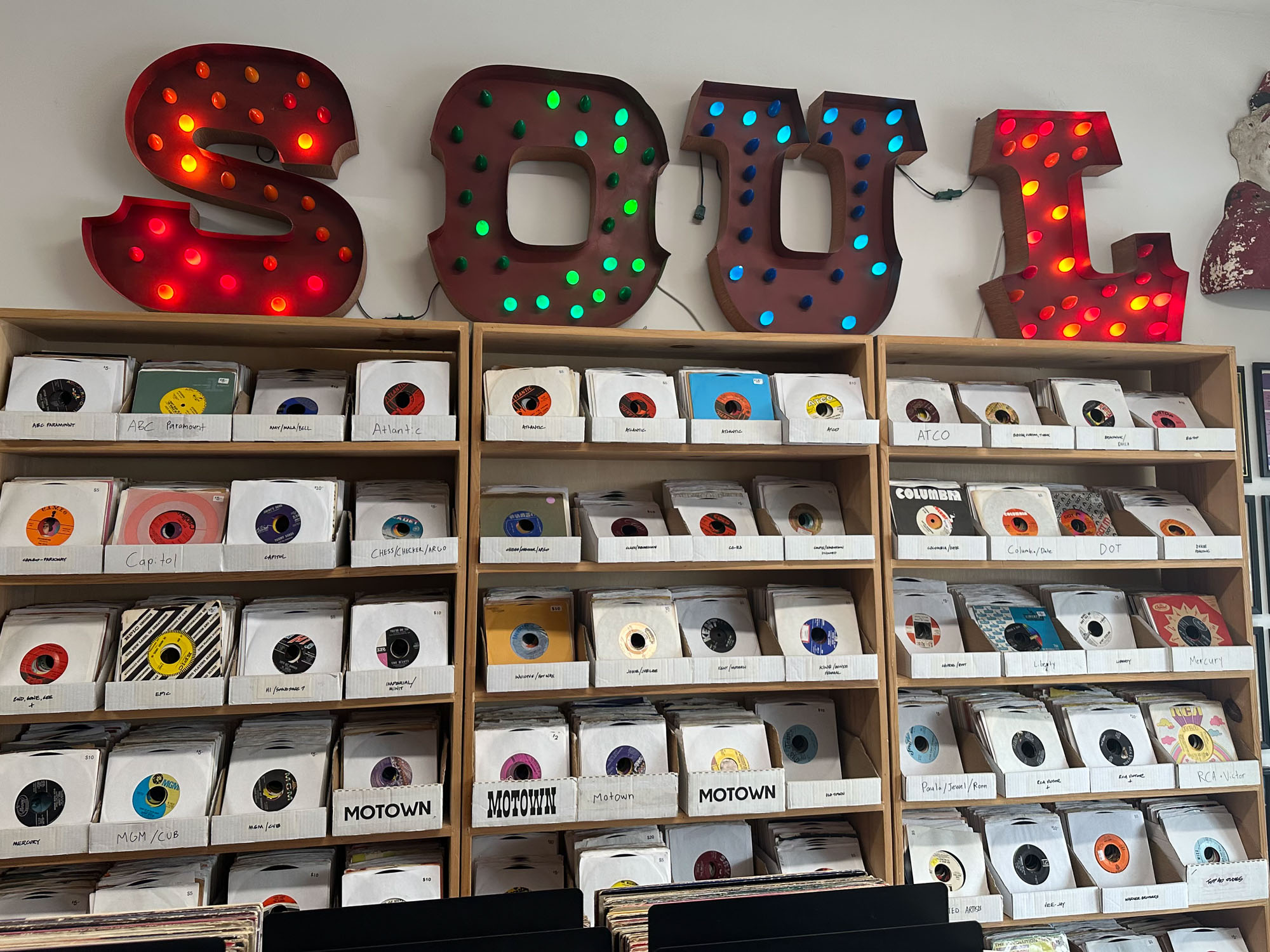
They instill a ritual. The deliberate act of choosing an album, placing the needle, reading the liner notes, giving music the attention streaming quietly trains us out of.
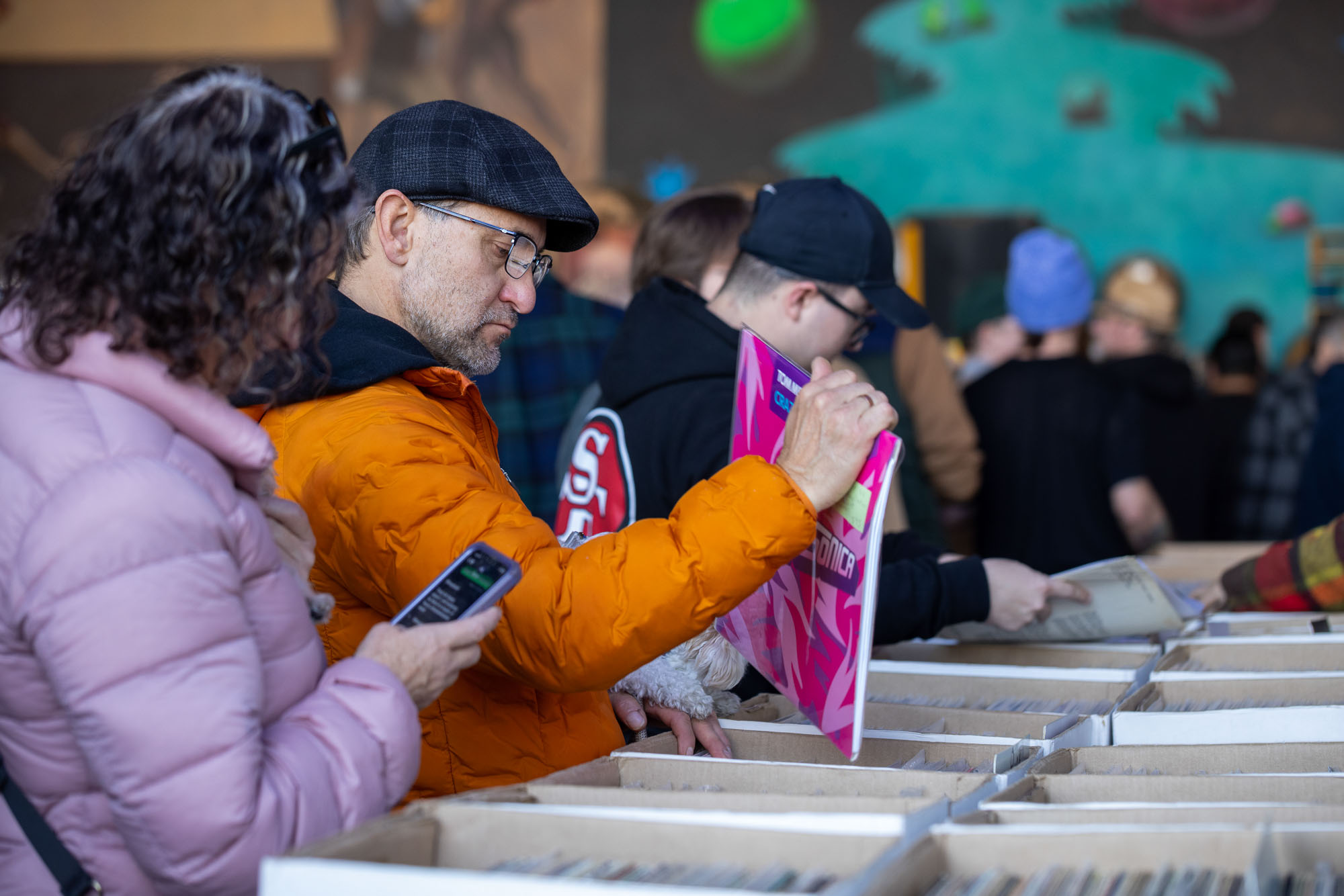
"It's a piece of art to me — being able to unwrap the album and look at the album art, sometimes looking at the lyrics on the sleeve, taking out the record and putting it on the turntable. There's a whole action that you have to do to put it on and play it."— Erika Royo
"I think it's cooler to be able to, like, you know, while you're cleaning up, put on a record and listen to something maybe you don't have digitally."— Ruben Castillo
"You have to want to listen to something physically, even in your house, cleaning or whatever. You still have to choose the record, put it on. So a little more intentional listening."— Jason Castillo
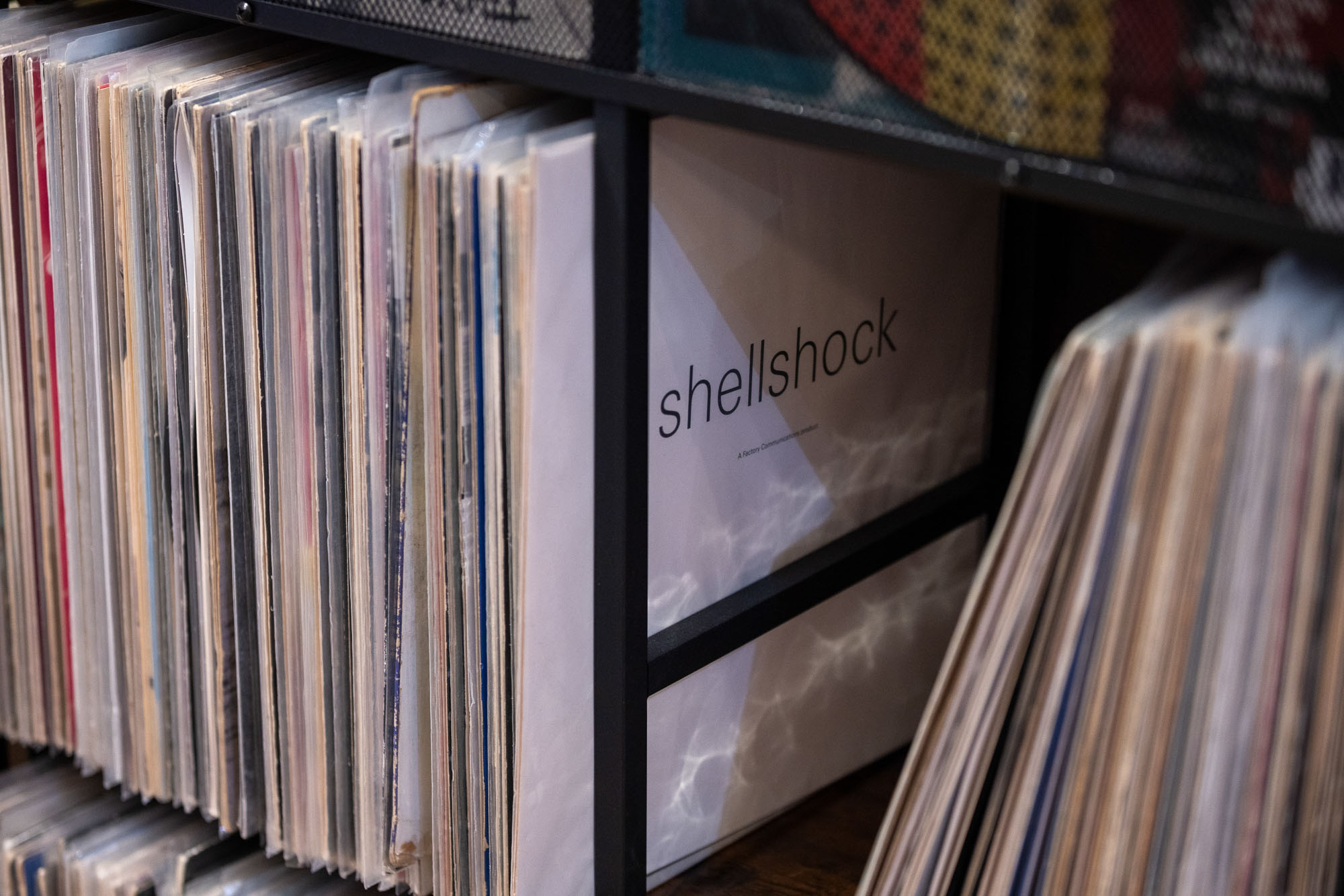
They anchor third places. The shops and pop-ups where strangers become regulars and regulars become friends.
"His store alone had given birth to maybe several other record shops in San Francisco, just through his guidance, his mentorship."— Gabriel Dela Cruz on his mentor Dick Vivian
"Record stores and vinyl... are very, very important to our musical history here in the Bay Area. I bet you, if you went to every legendary artist out of the Bay Area, they would tell you about their first time coming into one of these stores."— Carolyn Wysinger
"The Taylor Swift fans are super excited to be here, and then the Grateful Dead fans will come in and they'll make fun of the Taylor Swift fans, as if they're not just as excited as they are."— Jesse Hawthorne-Ficks on Record Store Day
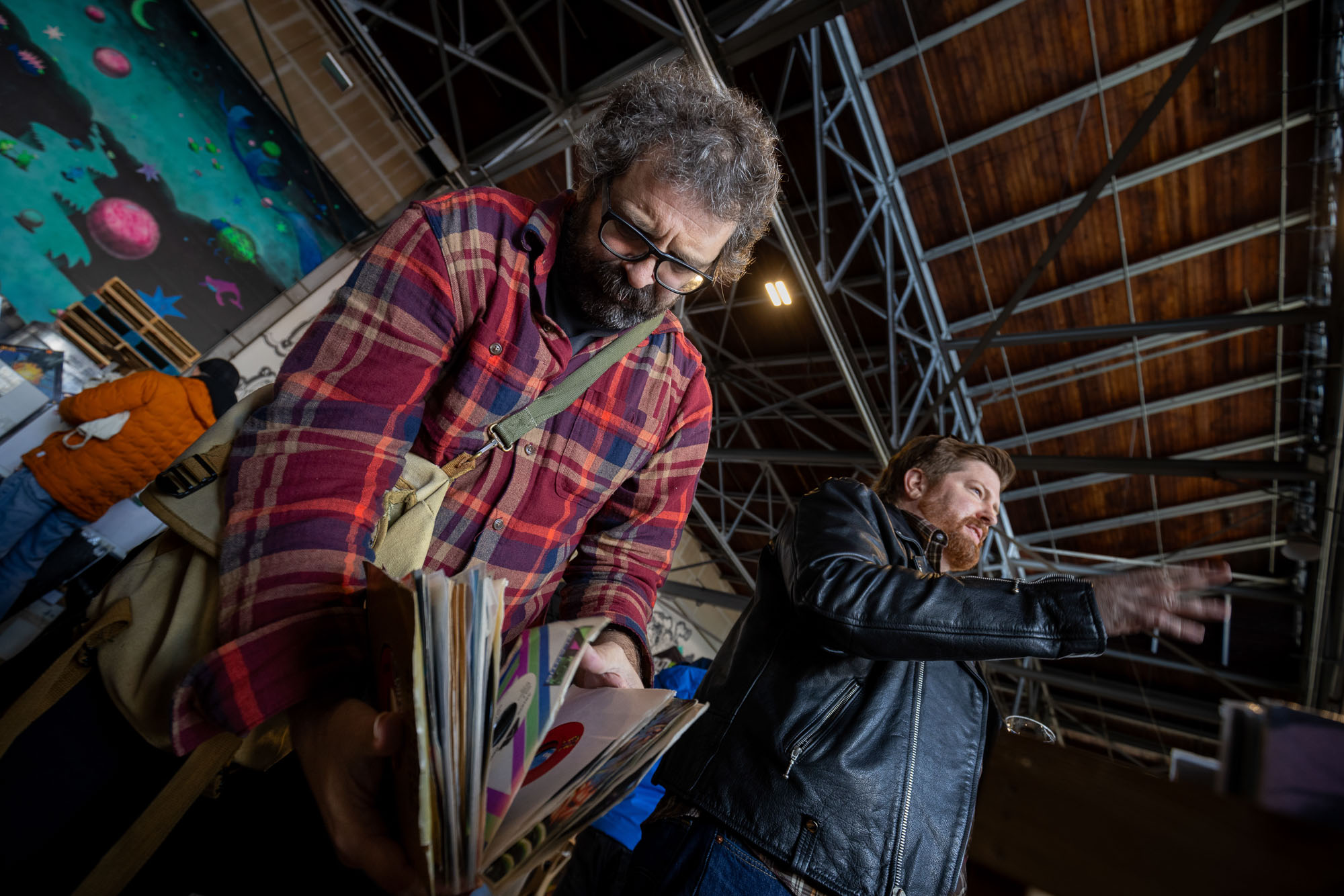
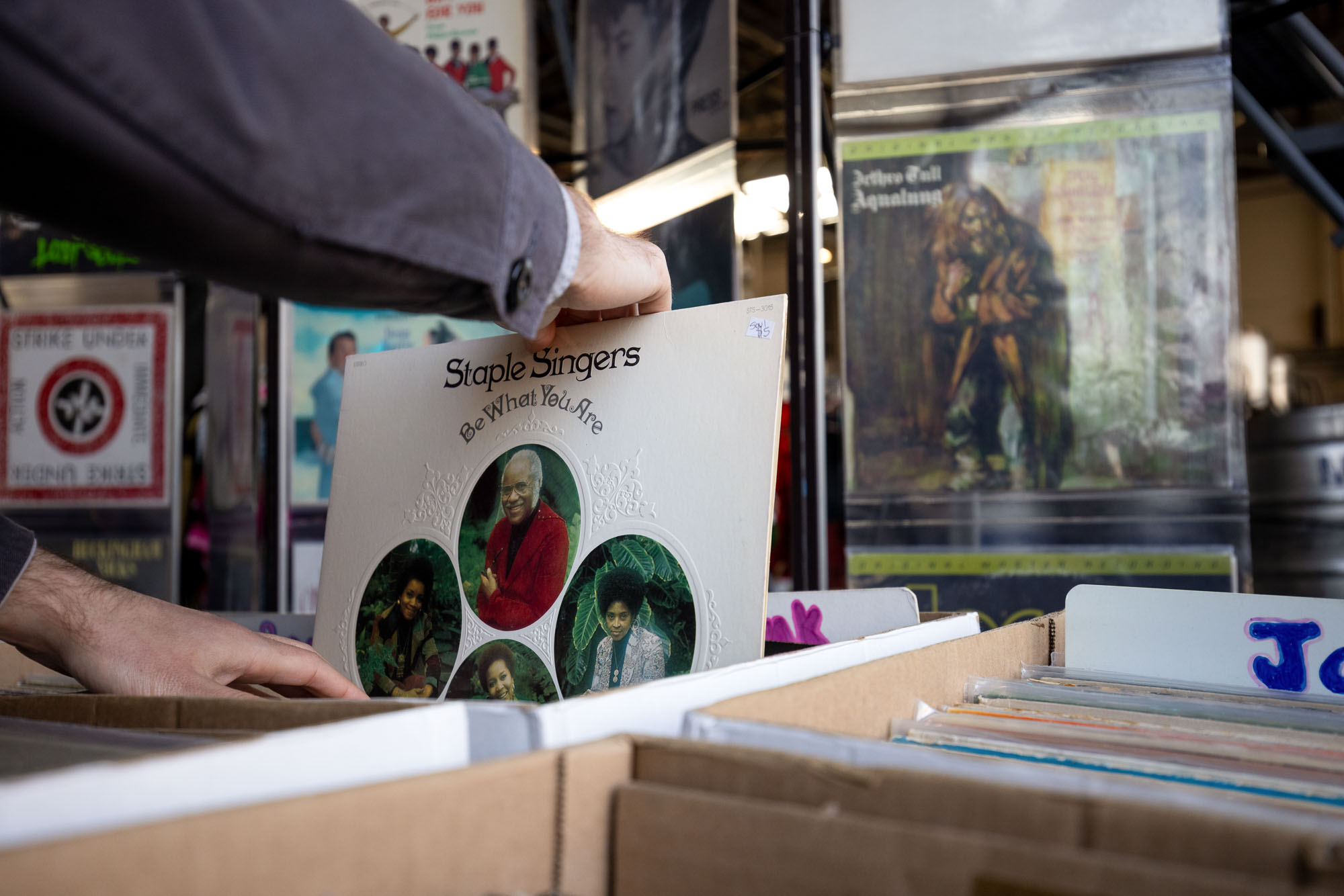
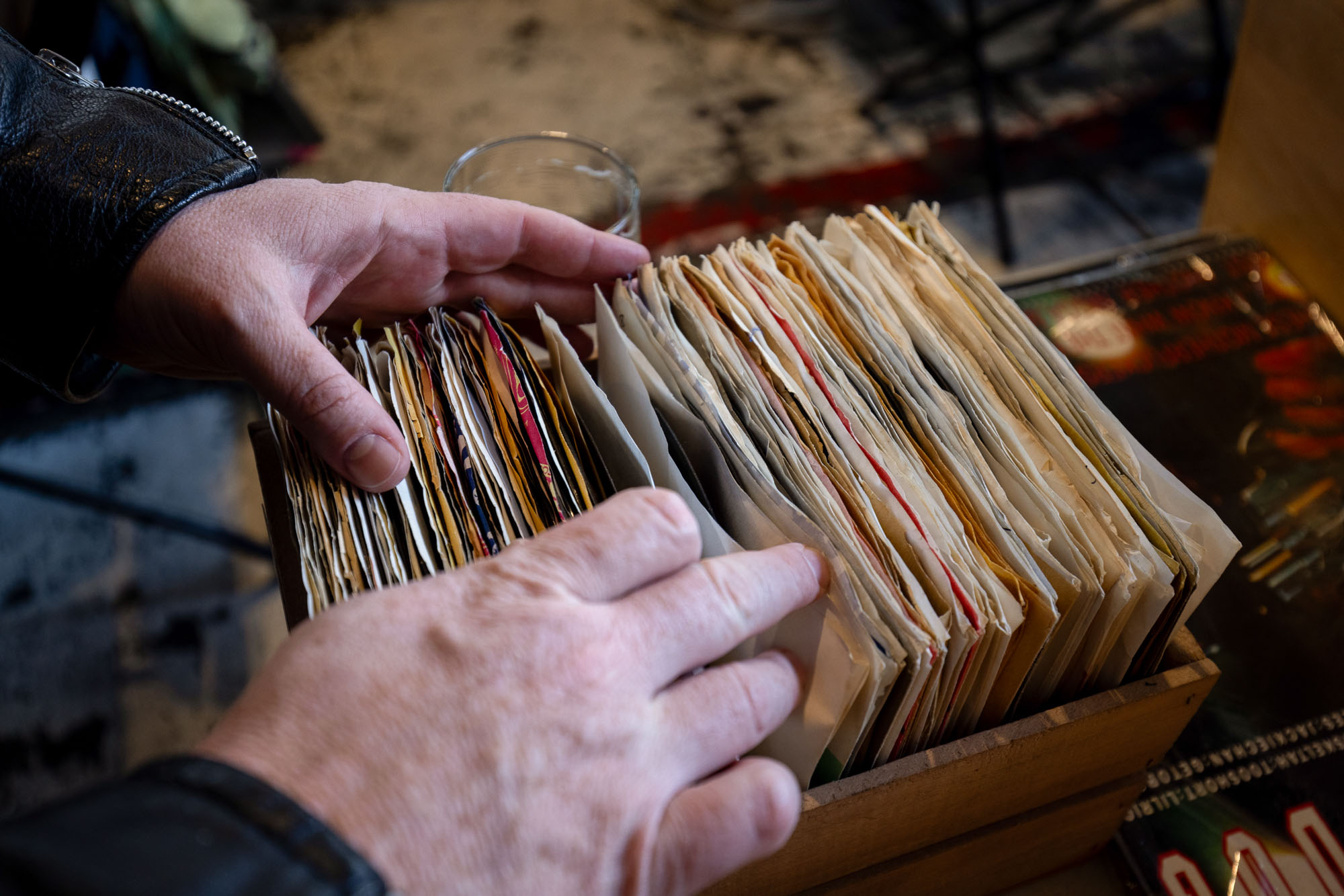
They create a social fabric in the act of digging itself, where flipping through a crate next to someone can start a conversation no algorithm would ever broker.
"Somebody will come up to me, and they can't Shazam it because it's too rare... They are forced to talk to me now because their algorithms aren't working. And that's my favorite."— Trippy on DJing rare records
"When you're flipping through the crates and the boxes, sometimes you might start chatting with somebody next to you... There's a social aspect, actually, to looking for records."— Erika Royo
"I was down in Santa Barbara, and somebody had a place on a cliff overlooking the beach in Goleta. And so we got stoned and listened to Sgt. Peppers. That was quite memorable."— John McCord
They preserve a cultural archive that digital platforms have never fully held, from Peruvian punk and Tejano to the producer credits Spotify leaves blank.
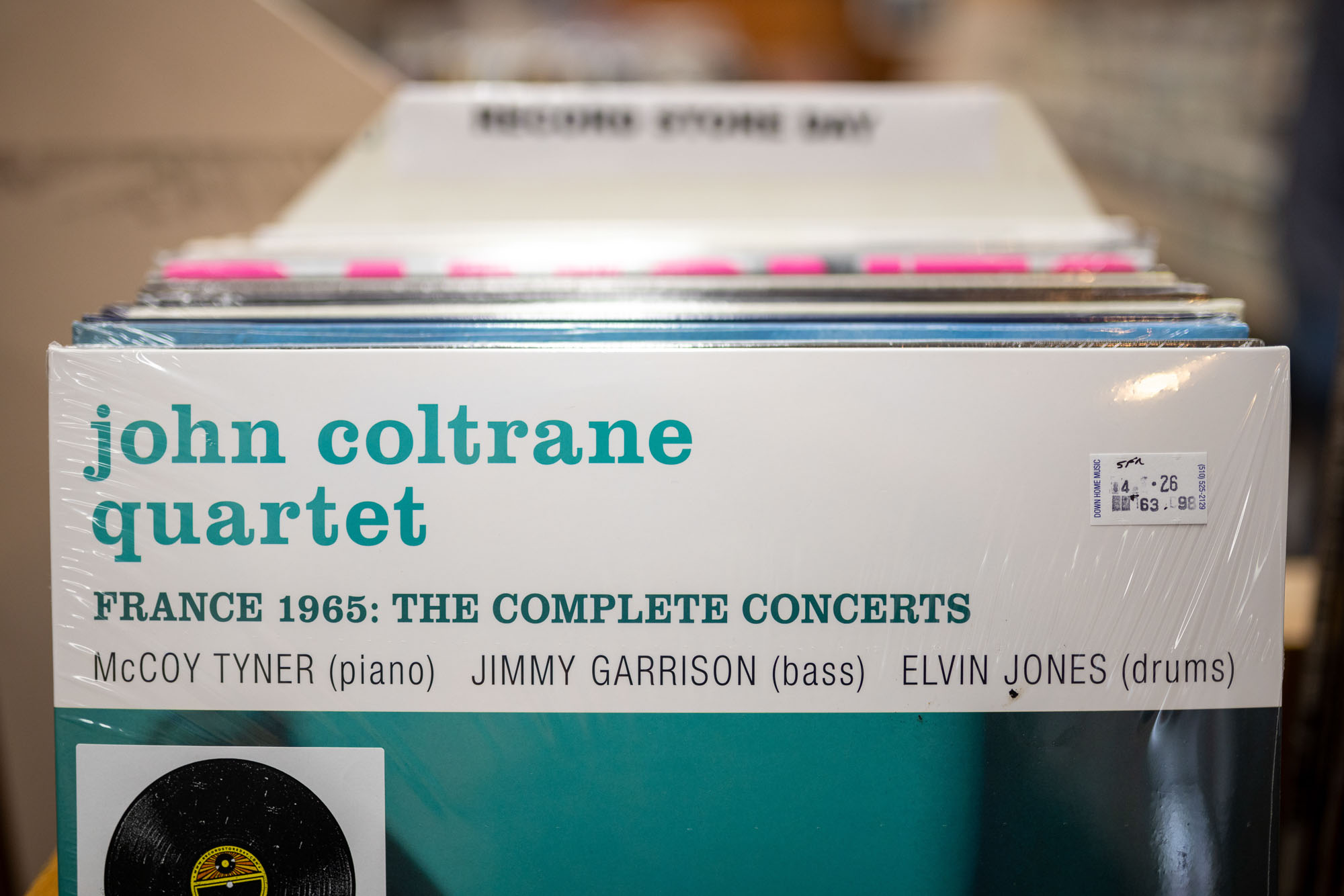
"There's so much music that is not licensed onto digital streaming apps... A lot of music that you will find when you come to record stores that you may not find."— Carolyn Wysinger
"They have just a different kind of, like, social, economic, political awareness to their music, especially during that time in the Philippines."— Rick Orbeta on Filipino punk reissues and pre-Marcos folk music
"This is like museum archival stuff."— Trippy
And for the people in these stories, vinyl marks what's at stake. Not the sound, but a way of being with music and with each other that they are actively choosing to protect.
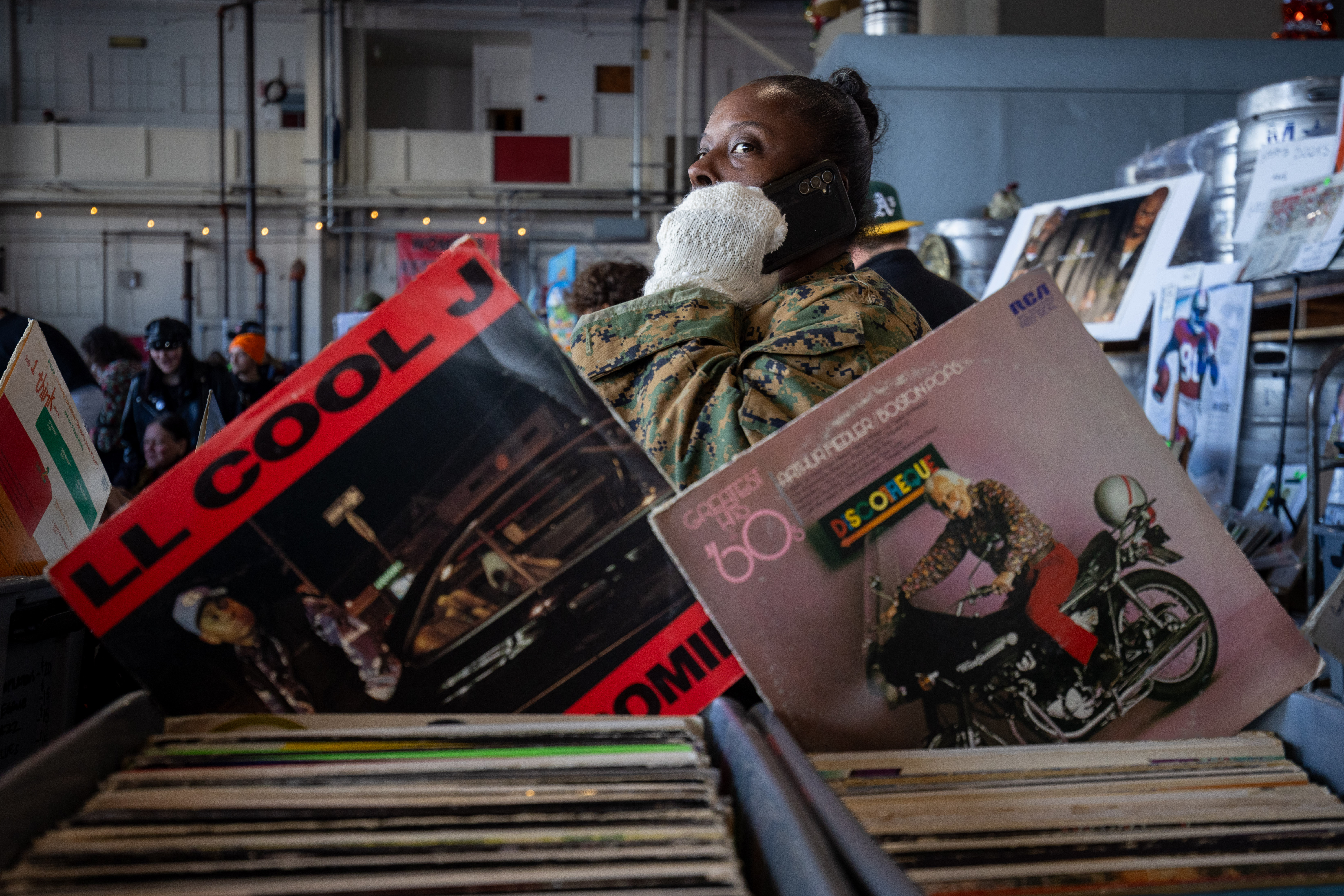
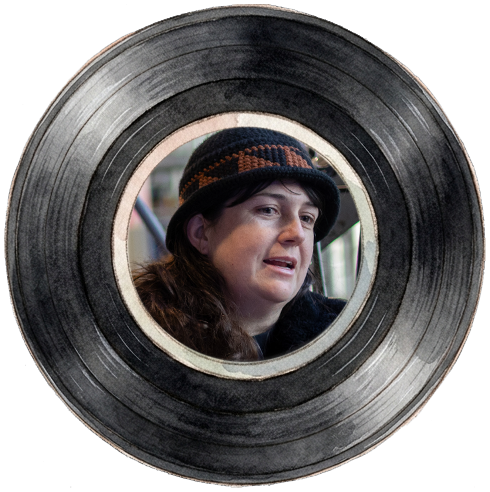
"People who are actively searching to be a part of a psychedelic community today are people who also choose to not partake in technology in the same way... They're trying to use records, trying to not use Spotify. They don't want to wear Shein. They don't want to wear factory-made clothes."— Molly on the psychedelic revival as a whole-life stance
"You may have not lived it, but you're holding something that has, which makes you part of it now — because you're literally experiencing the same thing that person experienced the entire time this record has been existing."— Trippy on vinyl as participation across time
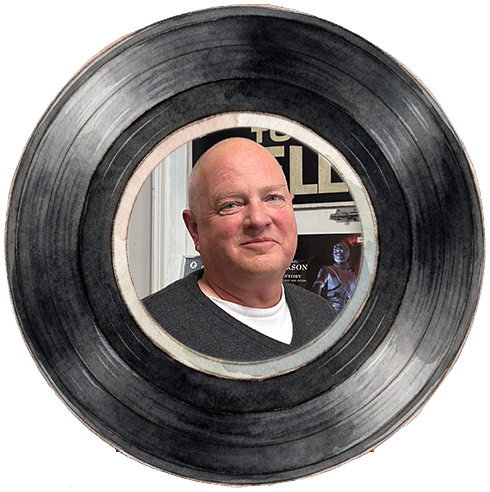
"I was just really horrified by how they monetize. They're just feeding you, except it's not real music. There's literally fake bands that they promote because they don't have to pay much for it."— Jon Blunck on AI and monetization
What follows are the stories of eleven people in this community: shop owners, DJs, producers, educators, parents and children. Together, they describe something harder to identify than a market trend. They describe a way of being with music and with each other.
Vinyl — Community beyond the Algorithm explores the vibrant culture of vinyl collecting in San Francisco, revealing how records become more than a music medium. They're catalysts for human connection across generations and strangers alike.
Through interviews at the Rock 'n Roll Flea Market in Alameda, record shops, and collectors' private collections, we dig through countless crates, experience the tactile ritual of unwrapping albums, and study liner notes. We explore how vinyl creates bridges between parents and children, sharing hip-hop discoveries that span decades, and the unexpected camaraderie that emerges when strangers flip through crates side by side, occasionally striking up conversations about shared musical tastes.
In an era of infinite digital playlists consumed in isolation, these collectors argue that what's at stake isn't just sound quality, it's the social fabric that forms when people gather around physical artifacts that represent both artistic achievement and cultural memory.
The Stories
Across countless interviews, the people we spoke to say that there is ultimately no experience to music reproduction at home. Though few could have predicted it, something less convenient managed to rise during an age defined by instant gratification.
"Any form of physical media comes with social relations that map music for you, and so therefore, take you by the hand and show you around the world, in some way or another," said Andrei Pohorelsky, a musicologist and assistant professor at Stanford.
The resurgence of vinyl in an age of streaming isn't just for nostalgia; it's become a full-blown cultural phenomenon. It's a ritual that many look forward to–whether it be playing a tune at the end of a hard day, setting up the turntable for guests soon to be welcomed in, or taking it slow, and remembering an old friend who passed far too soon–vinyl offers a slower and intentional way of engaging with music. By delivering a warm, rich sound, what is being embraced is a revival of modernism and an older form of technology.
"It really is a piece of furniture and a decision about how to live your life in a way that a phone just can never really be," explained Pohorelsky.
In 2024, the U.S. music industry sold 43.6 million vinyl records — the 18th consecutive year of growth. Based on our findings, record collecting fosters a sense of community. Some call it an addiction, others call it performative, but essentially, vinyl allows music enthusiasts to listen to projects in their entirety, amongst other people, having the chance to talk about them.
"How many opportunities in this digitally distracted world do we have–to be fully immersed, your ears, your eyes–you know, looking at the packaging and reading the liner notes," said Gisèle Geneviève Tanasse, a Film & Media Services Librarian, "I think it's just this very special and calming moment that's like walking barefoot in the sand or hearing dirt crunching below your feet."